CENTER CITY, Minn. – Dr. Sara Polley oversees Hazelden Betty Ford Foundation’s Young Adult Recovery program.
She says after marijuana and alcohol, opioids are the number three reason kids come in for treatment. And for those seeking opioid treatment, more than half are being treated for fentanyl use.
“Most people use it in pill form, and so what they do with the pill is often times snort the pill, like crush it and snort it,” Polley said.
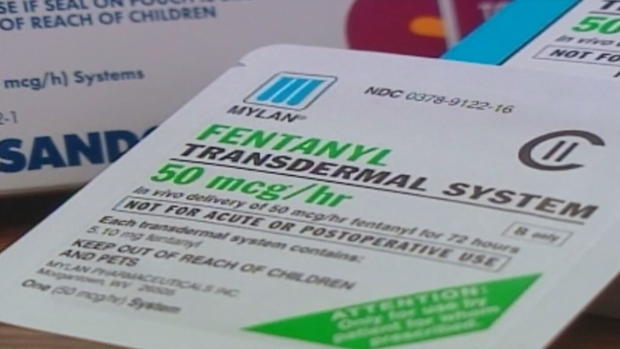
Fentanyl is a synthetic opioid that was invented to help with pain control. There’s legal fentanyl, and illegal fentanyl.
A legal, treatment dose of fentanyl relieves pain. But at a higher level, the drug causes different effects.
“It creates a feeling of happiness, of calm and of peacefulness. And then that’s what makes the substance so addictive,” Polley said. “It increases something called dopamine in your brain which is the feel-good chemical and causes you to really crave it and want to keep using it.”
It’s 100 times more potent than morphine, and 50 times more potent than heroin.
“Really, fentanyl is particularly dangerous because of how strong it is,” she said.
Not everyone overdoses on it. Some people have built up a tolerance. But without that, a few granules – the size of grains of salt – can cause an overdose.
When someone overdoses, it means the drug has relaxed their body to the extreme. The breathing slows, the heart rate slows, then the brain starts to fail.

When that happens, Naloxone – or Narcan – can push fentanyl out of the brain before it’s too late.
People aren’t usually taking pure fentanyl. There are often additives, or it’s combined with something else – and the problem is you don’t know what’s in that pill.
“I also want people to know that addiction is a disease that impacts someone’s brain,” Polley said. “They’re not doing that because they’re a bad person or they want to do something wrong. They’re doing that because their brain got attached to the substance because the substance was designed to have that happen, and they’re really behaving out of a place of a disease, not who they really are.”
And there is help out there for them.
“I want people to know that there’s hope,” Polley said.
Source: CBS Minnesota

Be First to Comment